Managing customer service when you also run operations
When you own the roster and the customer promise, service is an operations problem. Write the rules the floor can use while you are under a hoist.
By James Okonkwo, Leadership editor. Published 2025-02-10. Updated 2026-08-12.

In a small Australian workplace the person who writes the roster is often the person who also answers the angry email. That is not a branding opportunity. It is two jobs sharing one brain. The old vocational units treated customer service as a set of standards and complaints processes. They were right about the paperwork. They under-sold the conflict: every yes to a customer is a load on the same people who have to finish the run.
This guide is for owner-operators, acting supervisors and team leaders who still pick up the phone. Service is how the week meets the public, which is why it sits next to leading a small Australian team. For the wider set, start at the leadership and management hub.
Service is a promise plus a capacity
A customer promise is a sentence the floor can keep on a bad Thursday: "In by 11, same day. After that, next working day." Capacity is the hours, plant and skill you actually have after breaks, no-shows and the job that is already late.
When those two match, service feels calm even if the work is hard. When they do not, staff start inventing yeses to end the conversation, and you start doing heroics that you then resent. The old unit language called this meeting customer needs. The adult version is deciding which needs you can meet this week.
Write the promises down. Put them where staff can see them, and where you can see them when a mate rings. If the promise is not in the operational plan, it is a rumour.
Design the first contact
Most complaints start as a confusion at first contact. The website said same day. The casual said probably. The owner said for you, yes.
Pick one source of truth for times, prices and limits. Train people on that, not on charm. Charm without a limit is how a Parramatta trade counter ends up with four "quick" jobs and no lunch.
Three things at first contact
Give the person at first contact three things:
- A clear offer they can say without ringing you.
- A number they can spend or refund without permission.
- A trigger for when they must get you — safety, abuse, anything over the number, anything that changes the day's run.
If you also recruit frontline staff in a tight market, those three things are part of the job ad. People who have been left alone with a shouting regular do not come back.
Protect the staff, then the relationship
Customer service is a WHS issue as soon as a person is being abused, crowded or followed to the car park. Under the model WHS laws, aggression is a psychosocial hazard, not a test of grit. Your work health and safety duties do not pause because the person on the other side of the counter spends money.
Write the right to end a conversation. Write the two-person rule for late closes. Write which customers are not to be handled by the apprentice. Practise the sentence: "I am going to stop this conversation. I will get the supervisor." Then actually appear.
Do not make the person who took the abuse perform cheerfulness for the rest of the shift. That is how you teach them that their nervous system is less important than the review.
Emotional intelligence matters here as a sequence, not as a smile. You notice you are embarrassed. You do not dump that embarrassment on the staff member in front of the customer. You take the customer. You debrief later.
Recover without rewriting the week
A missed promise needs a recovery. Recovery is not "whatever it takes". Whatever it takes is how Saturday disappears.
A short recovery menu
A usable recovery has a menu.
- A clear apology for the specific miss, without a speech about how busy you are.
- A concrete offer from a short list: priority tomorrow, refund of the premium, pickup instead of delivery, a part credited.
- A stop rule: you will not empty the roster to save a review.
Tell staff which offer they can make. If only you can make it, you will be pulled off the tools for every dented box. That is not leadership. That is a bottleneck.
When the miss was a person's standard, recover with the customer first, then have the performance conversation in private. Do not make the staff member listen to the raw complaint as their discipline. The customer is not your co-supervisor.
Owner-operators break their own rules
The special failure mode in a workshop, a cafe or a community-care depot is the owner. You write a cut-off. Then your brother-in-law, a good account, or your own discomfort makes you say yes at 11.40. The team watches. The page dies.
Put your name under the rule. Invite staff to point at it when you drift. Thank them when they do. If you need a standing exception — the aged-care wing, the school, the mine shutdown — write the exception. Unwritten exceptions are how everyone becomes an exception.
This is also why the old customer-service unit kept asking for records. A complaints log that takes thirty seconds is enough: date, what was promised, what we did, what we will change. You are looking for patterns, not for a file to punish people with. If the same product, the same driveway or the same 3 pm slot keeps failing, that is operations, not attitude.
Worked example: a bakery with a trade counter in Footscray
A family bakery in Footscray sells retail from 6 am and wholesale to cafes before 8. Minh runs production and also takes the phone. For a year, cafe owners learnt that if they rang Minh at 7.50 they could still get extra sourdough. The retail queue got the leftovers. Two juniors burnt out on Saturday apologies.
Minh writes a one-page service rule and tapes it above the bench and next to the phone.
- Wholesale orders lock at 2 pm the day before. After that, the answer is no, including from Minh.
- Retail: if a loaf is gone, offer the next bake time or a different loaf. No "I will see what I can do" that sends someone into the racks during the rush.
- Refunds and make-goods: up to $40 on the till. Over that, Minh.
- Abuse: the conversation ends. The junior does not continue it. Minh or her brother come off the line.
- Saturday functions: only if booked by Wednesday, written on the board, and staffed.
Week one, a regular cafe rings at 7.45. The junior says no, then freezes when the caller asks for Minh. Minh takes the phone, repeats the rule, and offers Sunday morning at the wholesale price. She does not bake an emergency batch. After the rush she tells the junior, privately, that the no was correct.
Week three, a function is late because a mixer went down. Minh does not offer "whatever you want". She offers a partial refund and a hold on the next Saturday. She logs it. The pattern is the mixer, not the junior. The operational fix goes on the plan: service the mixer, and stop taking two Saturday functions on the same oven.
That is customer service managed from operations. The customer is treated as a grown-up. The staff are not used as shock absorbers. The promise shrank to something the week can carry.
Numbers that help, and numbers that lie
You need a few signals. Average handle time from a call-centre dashboard is usually the wrong one for a six-person site.
Useful: how many promises you missed this week, how many refunds, how many times a staff member had to call you, how many conversations were ended because of abuse. Look at them on the same Friday you look at overtime. Service and hours are the same system.
Lying numbers: five-star averages that hide two ugly incidents; "we got 40 reviews" when three people were asked ten times; a complaint count that drops because staff stopped logging them.
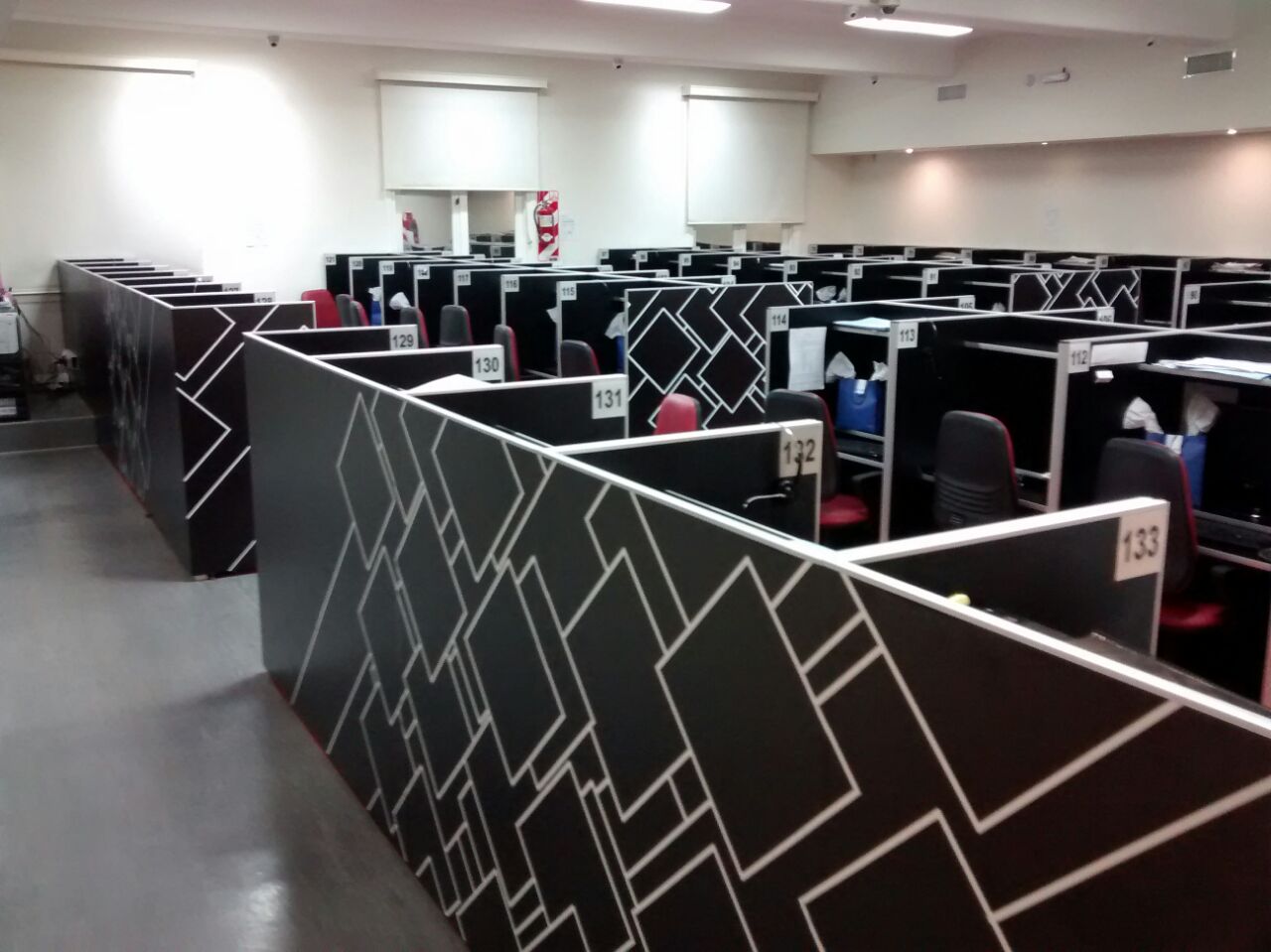
If you run anything like a small call queue — bookings, a support line, a council-adjacent helpdesk — do not buy a script pack before you have a written offer and a second person at peak. Empty cubicles are not your problem. An unclear yes is.
Put it back into the week
Service standards die when they live in a training folder. Put the cut-off, the refund limit and the abuse rule on the same page as the roster. Talk about one customer miss in the standing meeting, without naming a staff member unless you have already spoken to them.
When you hire, tell the truth about the public-facing part of the job. When you plan, treat a new customer promise as a resource decision. When you lead, remember that a small Australian team will copy how you speak to the difficult regular, not what you laminated.
If you want a second pair of eyes on a one-page service rule, contact the editorial desk. Send the promises you already make, including the ones you make in the van. We will tell you which ones the Thursday casual cannot keep.
Frequently asked questions
Who should speak to an angry customer?
The person with the authority to resolve it, not the most junior person with a free pair of hands. If that is you, come off the tools. Do not coach from the doorway.
How do I stop saying yes to everything?
Write a cut-off and a refund limit, put your own name under both, and let staff point at the page. If you break the rule for your mates, the page is dead.
Is a script a good idea?
A few sentences for the common cases, yes. A paragraph they must recite, no. People can hear when a human has been replaced by a laminated card.
Keep reading in this hub

Recruiting and retaining frontline staff in a tight labour market
18 November 2024
Frontline hiring in Australia is no longer a poster and a hope. Write the real job, pay the real rate, and stop losing people in the first six weeks.
Read the recruiting and retaining frontline staff in a tight labour market guide

Emotional intelligence at work, without the fluff
9 September 2024
Emotional intelligence is useful when it changes what you do in the next conversation. It is not a personality type, a poster, or a reason to avoid a hard standard.
Read the emotional intelligence at work, without the fluff guide
Performance conversations that do not destroy trust
22 July 2024
You can tell someone their work is not yet good enough and still have them turn up tomorrow. The skill is specific examples, a private room, and no audience.
Read the performance conversations that do not destroy trust guide