Incident reporting and investigation that actually improves safety
How to get incidents and near misses onto the record, notify the regulator when the law requires it, and investigate systems instead of hunting for a careless worker.
By Clare Dunstan, WHS editor. Published 2024-08-19. Updated 2026-06-08.
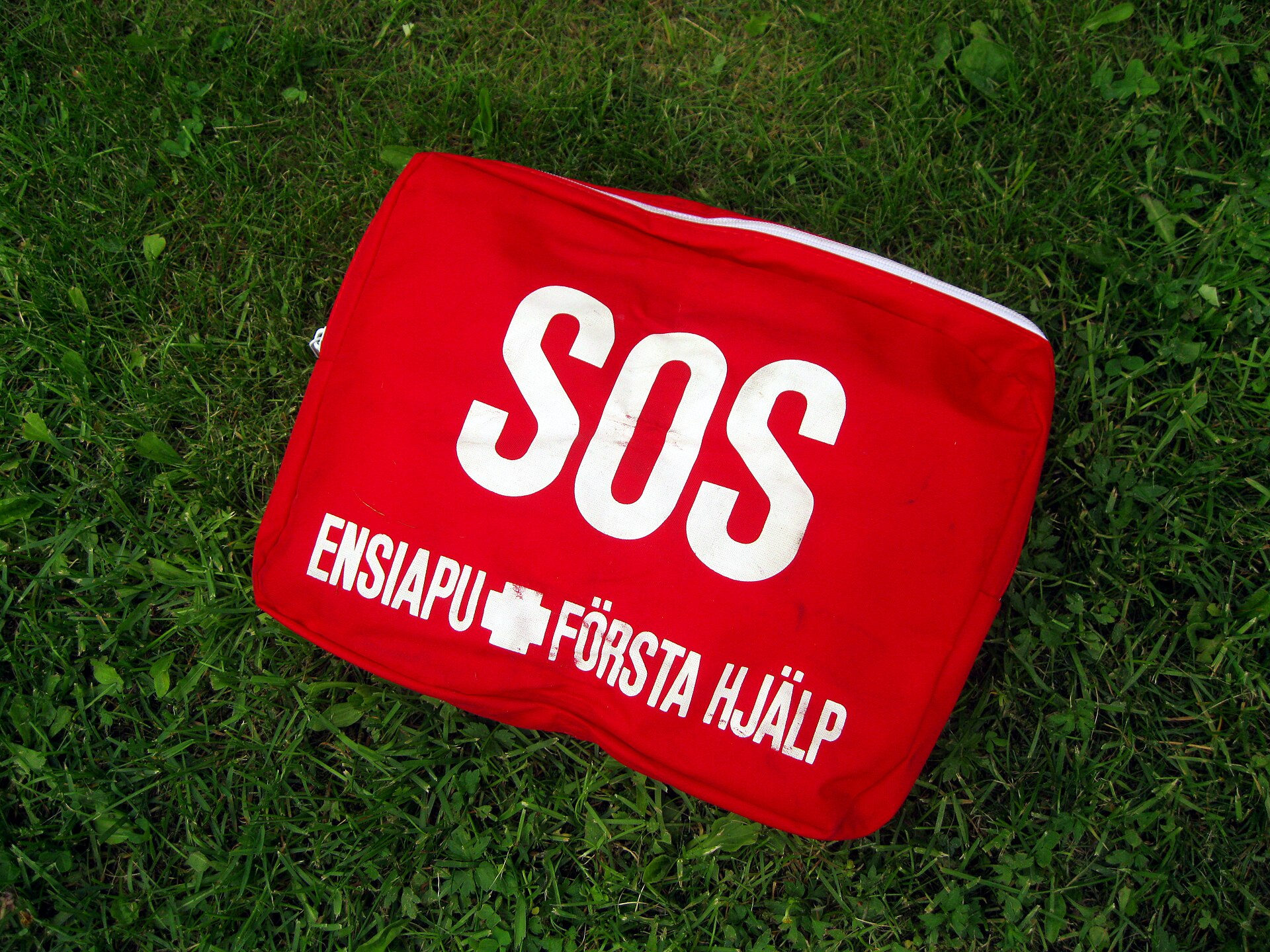

Most workplaces have two incident systems. One is the form in the crib room. The other is the story people tell in the car park. The car-park system is usually more accurate. If your official system only captures events that needed a hospital, you are not running a reporting system. You are running a claims log.
A PCBU needs the reports because the primary duty does not pause after the event. You still have to understand what failed, keep people safe now, and decide whether the regulator must be told. Victoria does the same work under the OHS Act 2004, with WorkSafe Victoria at the other end of the phone.
This guide sits in the workplace health and safety hub. It is not a substitute for the notification page of your regulator. If we have a definition wrong, send it through contact. We correct material errors under the editorial standards.
Get the first hour right
Someone is hurt, or nearly hurt. The order of work is not mysterious. Help the person. Make the area safe. Call emergency services if you need them. Then decide, quickly, whether this is a notifiable incident.
Under the model WHS Act a notifiable incident is a death, a serious injury or illness, or a dangerous incident. Serious injury includes immediate treatment as an in-patient and immediate treatment for certain injuries set out in the regulations — amputation, serious head or eye injury, serious burn, spinal injury, loss of a bodily function, serious lacerations. A dangerous incident is immediate or imminent exposure to a serious risk from events such as an uncontrolled escape, explosion, electric shock, collapse or fall from height. Check the exact list in your jurisdiction.
Notify the regulator immediately by the method they publish, then follow up in writing. Preserve the site. You may move things to help an injured person, to prevent further harm, or as directed by the police or the regulator. You may not tidy the scene because it looks bad. Photographs, names of witnesses, plant numbers and the time help. A rebuilt scene does not.
In Victoria, use WorkSafe Victoria's notification pathway and the OHS Act language. Do not ring a New South Wales number because that is the template in your national folder.
Internal reporting is wider than notification. A near miss, a medication error that was caught, a forklift that clipped a rack, a threat from a resident, a splash of oil that missed a face — those belong on the internal record even when they are not notifiable. They are how you find the control that already failed.
Why people will not write the form
If the last person who reported a near miss was treated as a nuisance, the next near miss will stay in the car park. If the form takes twenty minutes and must be typed after a ten-hour shift, you will only get events that cannot be hidden. If the investigation always ends with "the worker failed to take care", you have trained people to stay quiet.
Reporting is a consultation problem as much as a paperwork problem. Labour-hire pickers, agency nurses and Saturday kitchen hands need a way to report that does not depend on a supervisor who caused the problem. A verbal report to a named person, written up by that person, is better than a portal nobody can open with wet hands.
Psychosocial events belong here. Aggression, sexual harassment, a traumatic death on an aged-care night shift, a threat on a call — see psychosocial hazards at work. Handle the file with care. Do not bury it in human resources so the risk register never hears about it.
Investigate the system that produced the event
The purpose of an investigation is to find what in the work allowed the harm, and to change that work. It is not to rank people by blame. Worker carelessness is a weak finding because it is always available and it never explains why the same shortcut is sitting on the next shift.
Start with the task as it was actually done, not as the procedure describes it. Who was there, including contractors and labour hire? What plant, substances and layout were in play? What production pressure, metric or roster sat behind the choice? What did the last risk assessment say, and did anyone still recognise the job in that document?
A useful investigation looks at the hierarchy of control, not only at the last person who touched the job. If a picker walked through a forklift aisle, ask why the pedestrian path was blocked, why the forklift was in that aisle at that time, why the labour-hire induction did not mention the live traffic rule, and why empty pallets live in the green walkway by 3 p.m. If a carer transferred a resident without a hoist, ask where the sling was, whether the ensuite fits the hoist, whether the roster produced a second person, and whether night staff have been told that "we just get on with it" is the real method.
High-risk work needs that same curiosity, only faster. A fall, a crane incident, a collapse, a trench — these are the events that sit next to high-risk work and supervisor duties. If a safe work method statement existed, treat it as evidence of what someone thought the method was, not as proof the method was used.
Workplace pictures, not cartoon root causes
Construction. A carpenter clips a void cover to move a pack of timber and does not put it back. The cartoon finding is "failed to replace the cover". The system finding is a build sequence that creates a void before the cover is ready, a habit of using the cover as a work platform, no one named to watch the edge, and two PCBUs who each thought the other owned it.
Aged care. A night carer is kicked during a pad change and does not report it because "it happens". The cartoon finding is that the worker should have used a better stance. The system finding is a resident behaviour-support plan that lives in a folder, a roster with one person for a two-person care, and a culture that treats assault as part of the job. The first-aid kit in the photograph is not the control. The roster and the plan are.
Warehousing. A labour-hire operator clips the end of a racking bay. The cartoon finding is poor forklift skill. The system finding is an expired or never-checked high-risk work licence, a pick-rate that rewards speed, damaged racking that was never isolated, and a host who cannot name the last time anyone walked the aisle with the operator.
Hospitality and home work. A cook burned at the Saturday pass is not "rushed"; the landing cannot stay dry and the assessment was written for Monday lunch. A worker reporting chest pain after months of after-hours messages is a medical matter and a WHS matter. Look at job demands, including working from home, not only at "resilience".
What must be recorded
| Record | Who it is for | Minimum content |
|---|---|---|
| Immediate incident log | The people still on shift | Who was hurt or exposed, where, when, what plant, what was done to make safe |
| Regulator notification | The WHS regulator | The notifiable category, the workplace, the time, the brief facts; then the written follow-up |
| Internal report | The PCBU and the HSR | Everyone involved, including labour hire; witnesses; photographs; the unofficial method |
| Investigation | Officers, supervisors, workers | System findings, rejected controls, actions with names and dates |
| Review of the risk assessment | The next person who does the job | What changed in the work because of this event |
Officers who never see this information are not meeting due diligence. A monthly dashboard that says "three first-aid cases" without the stories is not information you can act on. Workers and health and safety representatives are entitled to relevant incident information. Share enough that the next shift can stay safe. Do not share medical detail that is not needed for that purpose.
Close the loop or do not bother
An investigation without an action is a narrative. An action without an owner is a wish. An owner without a date is a way of hoping the next incident is after your holidays.
The action should change the work. Buy the sling that fits. Police the walkway. Put a second person on the close. Stop using the void cover as a platform. If the only action is "retrain the injured person", start again. Tell the people who reported it what you did. Silence is how the car-park system wins.
Review the risk assessment and the safe work method statement. If the document did not describe the job, rewrite it. A short note that names the system gap will beat a branded pack that concludes "human error" on page fourteen. The inspector and the next supervisor want the same thing: evidence the work is different now.
Frequently asked questions
What is a notifiable incident under the model WHS Act?
A death, a serious injury or illness, or a dangerous incident. The PCBU must notify the regulator immediately after becoming aware, and in writing within the time the jurisdiction sets — commonly 48 hours. The incident site must be preserved until a regulator inspector releases it, except for helping an injured person or making the area safe.
Should near misses be reported if nobody was hurt?
Yes, internally. A near miss is often the only cheap information you will get about a control that already failed. It is not usually notifiable unless it meets the dangerous-incident tests, such as an uncontrolled collapse, a fall from height, or an electric shock as defined in your regulations.
Does Victoria notify incidents the same way?
Victoria still uses the Occupational Health and Safety Act 2004 and WorkSafe Victoria’s notification rules. The categories are similar — death, serious injury, certain incidents — but the form, the phone number and the exact definitions are Victorian. Use WorkSafe Victoria’s current notification guidance, not a model-WHS template with the logo swapped.
Keep reading in this hub
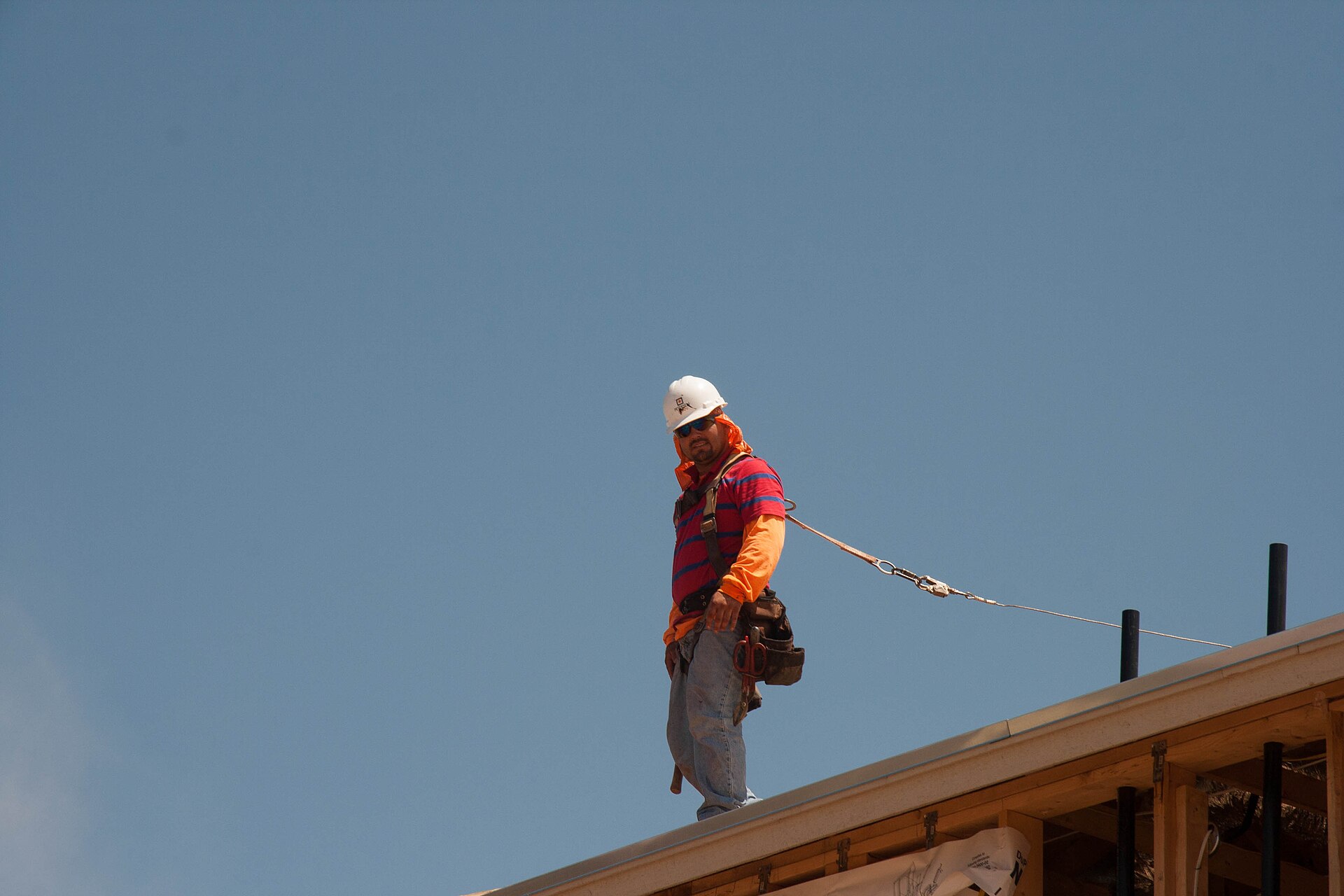
High-risk work and what supervisors need to know
4 March 2025
Licences, safe work method statements and the live duties of the person who can actually stop the job — on construction sites, in warehouses and anywhere plant and gravity share the work.
Read the high-risk work and what supervisors need to know guide
Working from home: WHS obligations that still apply
20 January 2025
A home office is still a workplace under the model WHS Act. This guide covers what a PCBU can reasonably do when the work is in a spare room, a kitchen table or a regional rental.
Read the working from home: whs obligations that still apply guide
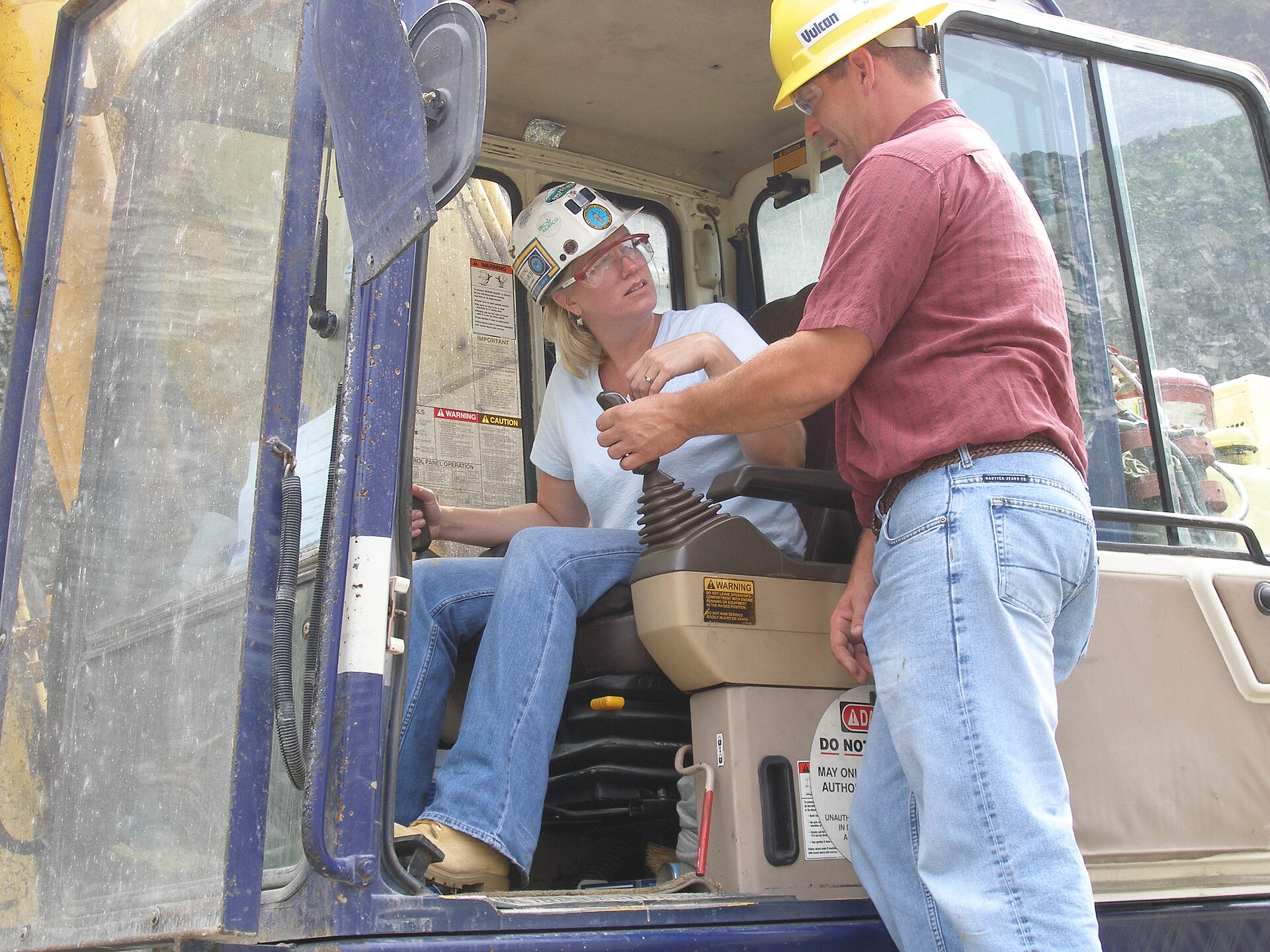
WHS consultation that workers will actually trust
7 October 2024
The model WHS Act requires consultation when you identify hazards and change the work. This is how to do it so people still speak up after the meeting ends.
Read the whs consultation that workers will actually trust guide