Psychosocial hazards at work: what Australian employers must do
Psychological health is part of the WHS duty. This guide walks through Safe Work Australia’s model code, how the hazards show up on Australian rosters, and what a PCBU has to do that is not a fruit bowl.
By Clare Dunstan, WHS editor. Published 2024-06-11. Updated 2026-05-20.
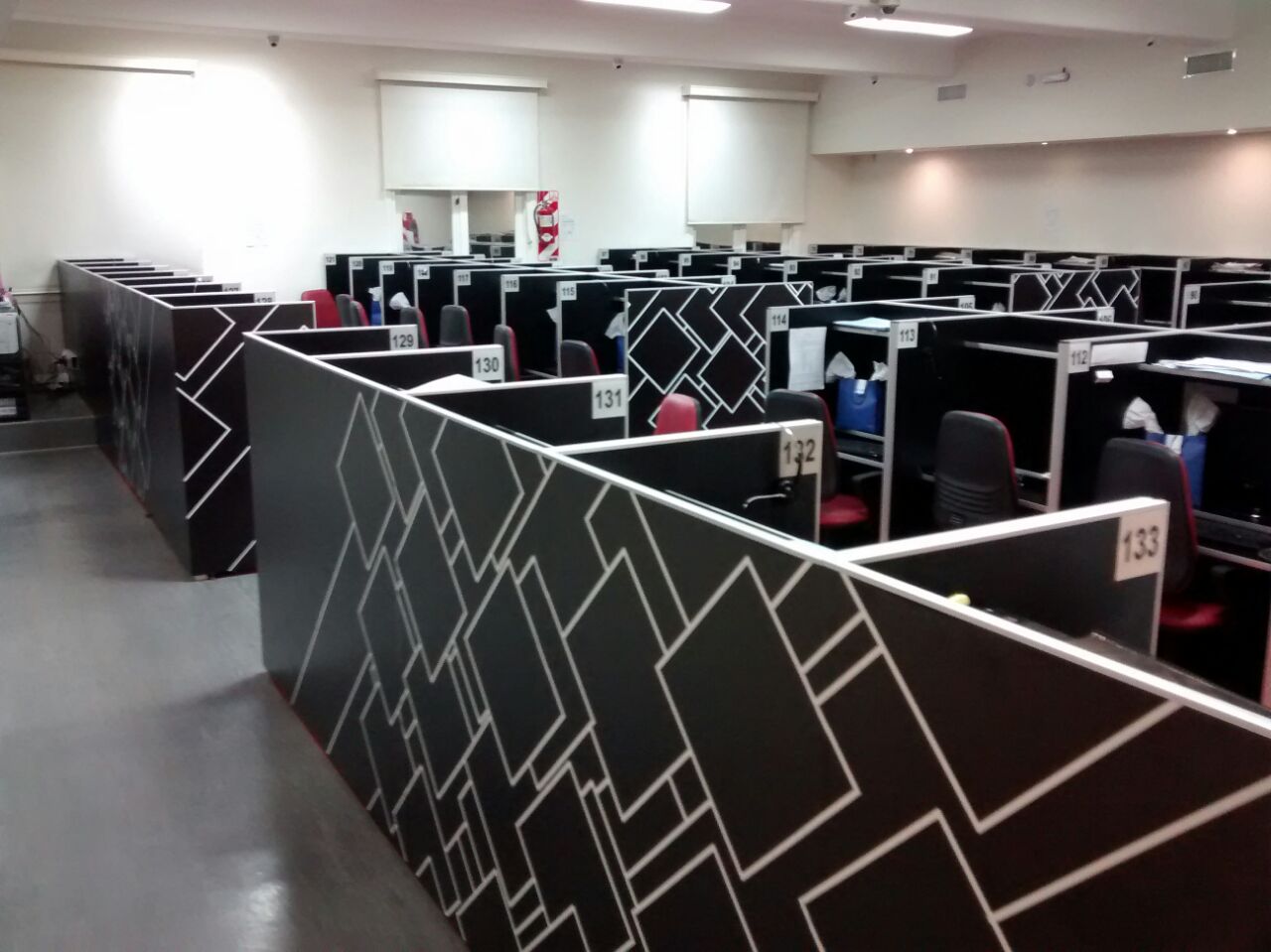

A fruit bowl is not a control. Neither is a mindfulness app, a Friday barbecue, or a poster about resilience. Under the model Work Health and Safety Act, health includes psychological health. A PCBU has to eliminate or minimise psychosocial risks so far as is reasonably practicable, using the same discipline they would use for a void, a hoist or a wet kitchen floor.
Safe Work Australia's model Code of Practice on managing psychosocial hazards at work is the document to keep on the desk. Jurisdictions have been folding that approach into regulations and guidance at different speeds. Victoria still uses the Occupational Health and Safety Act 2004. Psychological health is still part of "health" in that Act. Write Victorian paperwork in WorkSafe Victoria's language. Do not paste a New South Wales code citation onto a Geelong procedure and call the job done.
This guide is part of the workplace health and safety hub. It is general information. It does not invent prevalence figures and it does not sell a course. If a citation here is wrong for your state or territory, use the contact form. Corrections follow our editorial standards.
What a psychosocial hazard is
A psychosocial hazard is anything in the design or management of work that can cause psychological harm. The model code lists the usual cluster: high or low job demands, low job control, poor support, lack of role clarity, poorly managed change, inadequate reward and recognition, poor organisational justice, traumatic events or material, remote or isolated work, poor physical environment, violence and aggression, bullying, harassment including sexual harassment, and conflict or poor workplace relationships.
Those are not personality types. They are features of the job. A call-centre floor with unrelenting handle-time targets and no recovery after an abusive call is a job-demands hazard. An aged-care carer who cannot start a hoist without a second person who does not exist on the roster is a job-control and support hazard. A storeperson in a cold store on a Sunday with a radio that does not work is remote and isolated work. A junior in a pub till at 1 a.m. is a violence hazard. A supervisor who allocates shifts as a punishment is an organisational-justice hazard.
You assess them the way you assess any other hazard. How to run a workplace risk assessment that holds up is the method. This piece is about not leaving psychological harm in a parallel folder labelled "wellbeing".
The same duty, the same hierarchy
Reasonably practicable still means likelihood, degree of harm, what you know or ought to know, the available and suitable ways to control the risk, and cost as the last consideration. You ought to know that aggression is foreseeable in emergency departments, late-night retail, some aged-care units, and any workplace that takes angry calls. You ought to know that a new software system dumped on a warehouse without training is a change-management hazard. You ought to know that sexual harassment is a WHS hazard, not only a human-resources complaint.
Elimination and design come first. Change the roster so a night closer is not alone with the cash. Change the metric so a call-centre worker can take a genuine break after a threat. Change the ensuite so the hoist fits, instead of telling carers to "use good technique". Change the reporting line so a labour-hire picker has one person who can stop unsafe work.
Administrative controls and EAP sit lower. A respectful-workplace policy is useful if it is used, resourced and applied to the popular supervisor as well as the unpopular one. It is not a substitute for a second person on a violent shift. Training can help people recognise a hazard. Training cannot make an impossible roster safe.
How the hazards show up in Australian workplaces
Aged care. Night shift is where psychosocial and physical hazards braid. A resident who strikes is a violence hazard. A roster that leaves one carer for a two-person transfer is a demand and control hazard. If your assessment mentions the hoist and not the night ratio, you have assessed the steel and ignored the work.
Hospitality. Kitchens run on heat, speed and a hierarchy that can slide into humiliation. Front of house on a Saturday in Parramatta faces aggression at closing. Cash and alcohol are a violence pair. A control that only works on Monday lunch is not a control for Saturday night.
Warehousing. Peak pick-rates, labour-hire mix without a named host supervisor, and isolated dawn docks are demand, role-clarity and isolation hazards. Traffic management that exists only as a sign also tells workers the system is not serious.
Offices and call centres. The hazard is often the metric on the wall: handle time, after-call work scored as wasted minutes, surveillance that treats every pause as theft. Hybrid offices add isolation — see working from home WHS obligations.
Construction. Production pressure that pushes people onto an unprotected edge is a demand hazard with a fall attached. A site that mocks anyone who raises fatigue is running a justice hazard on top of the physical one.
Consultation is the only reliable sensor
You will not see most of these hazards from the glass office. Workers will, if they trust the conversation. WHS consultation that workers will actually trust is the companion guide. For psychosocial risk the consultation has to be safe enough that a person can say "that supervisor", "that resident", "that metric" without becoming the next problem.
Health and safety representatives can put these hazards on the agenda. So can a short toolbox question: what part of this roster makes the job harder than it needs to be? If you already know the night closer is alone, you do not need a climate survey to change the banking time. Labour hire, agency nurses and the host's own staff all belong in the conversation. Overlapping PCBUs share this duty the same way they share a void.
A working register, not a wellness slogan
| Hazard (plain English) | Where it often sits | Control that is actually a control | What is not a control |
|---|---|---|---|
| Impossible job demands | Call-centre metrics; aged-care night ratios; warehouse peak pick-rates | Change the target, the roster or the scope of the job | Resilience workshop |
| Low control | Scripts, no break after abuse, no say in the sequence of care | Authority to pause, redesign the task, genuine breaks | Suggestion box with no reply |
| Violence and aggression | Late-night hospitality, some aged-care units, public-facing counters | Staffing, cash handling, physical layout, exclusion, police protocol | "Don't take it personally" |
| Isolation | Sunday cold store, dawn dock, working from home, lone close | Second person, working comms, check-in that fails loud | A mobile number on a sticker |
| Poor justice and role conflict | Two bosses, punitive rosters, labour hire vs direct staff | One reporting line, transparent roster rules, same protections | A values poster |
Officers, workers and the paperwork you can defend
Officers still owe due diligence. An EAP participation rate is not an understanding of the operations. They should see reports of aggression, unfilled night shifts, and whether actions closed. Workers still owe reasonable care. A reasonable policy is one they can use — a way to report aggression, a right to a second person, a fatigue rule that applies to the leading hand.
When harm still happens, treat it as an incident. Threats, sexual harassment, a resident strike — these belong in incident reporting and investigation, not only in a confidential HR file. Sensitive is a reason to handle the file carefully. It is not a reason to leave the hazard in place.
What to do this month
Pick one hazard you already know about. Write it in the register the way you write plant. Name who is exposed, including labour hire. Choose a control that changes the work, not the worker's attitude. Put a person's name on the action.
If you manage high-risk physical work, do not pretend psychosocial risk is a later project. Production pressure is how people end up on an unguarded roof — see high-risk work and what supervisors need to know. The law does not ask you to make work delightful. It asks you to treat psychological harm as foreseeable, and to use the hierarchy instead of the fruit bowl.
Frequently asked questions
Are psychosocial hazards a separate legal duty?
No. Under the model WHS Act, health includes psychological health. The primary duty already covers it. Safe Work Australia’s model Code of Practice on managing psychosocial hazards at work tells you how to identify, assess and control those hazards. Victoria reaches the same idea through the OHS Act 2004, where health also includes psychological health.
Is an EAP enough?
No. An employee assistance program can help a person after harm. It does not eliminate or minimise the hazard that caused the harm. If the roster, the metrics, the aggression or the role conflict stay the same, you have offered a phone number, not a control.
Do I need a survey before I act?
Not always. Surveys can help you see patterns. They are not a legal precondition. If night staff in an aged-care home tell you they are left alone with a resident who strikes, you already have enough to assess and control that hazard. Waiting for a climate survey is a way of postponing a known risk.
Keep reading in this hub

High-risk work and what supervisors need to know
4 March 2025
Licences, safe work method statements and the live duties of the person who can actually stop the job — on construction sites, in warehouses and anywhere plant and gravity share the work.
Read the high-risk work and what supervisors need to know guide
Working from home: WHS obligations that still apply
20 January 2025
A home office is still a workplace under the model WHS Act. This guide covers what a PCBU can reasonably do when the work is in a spare room, a kitchen table or a regional rental.
Read the working from home: whs obligations that still apply guide
WHS consultation that workers will actually trust
7 October 2024
The model WHS Act requires consultation when you identify hazards and change the work. This is how to do it so people still speak up after the meeting ends.
Read the whs consultation that workers will actually trust guide